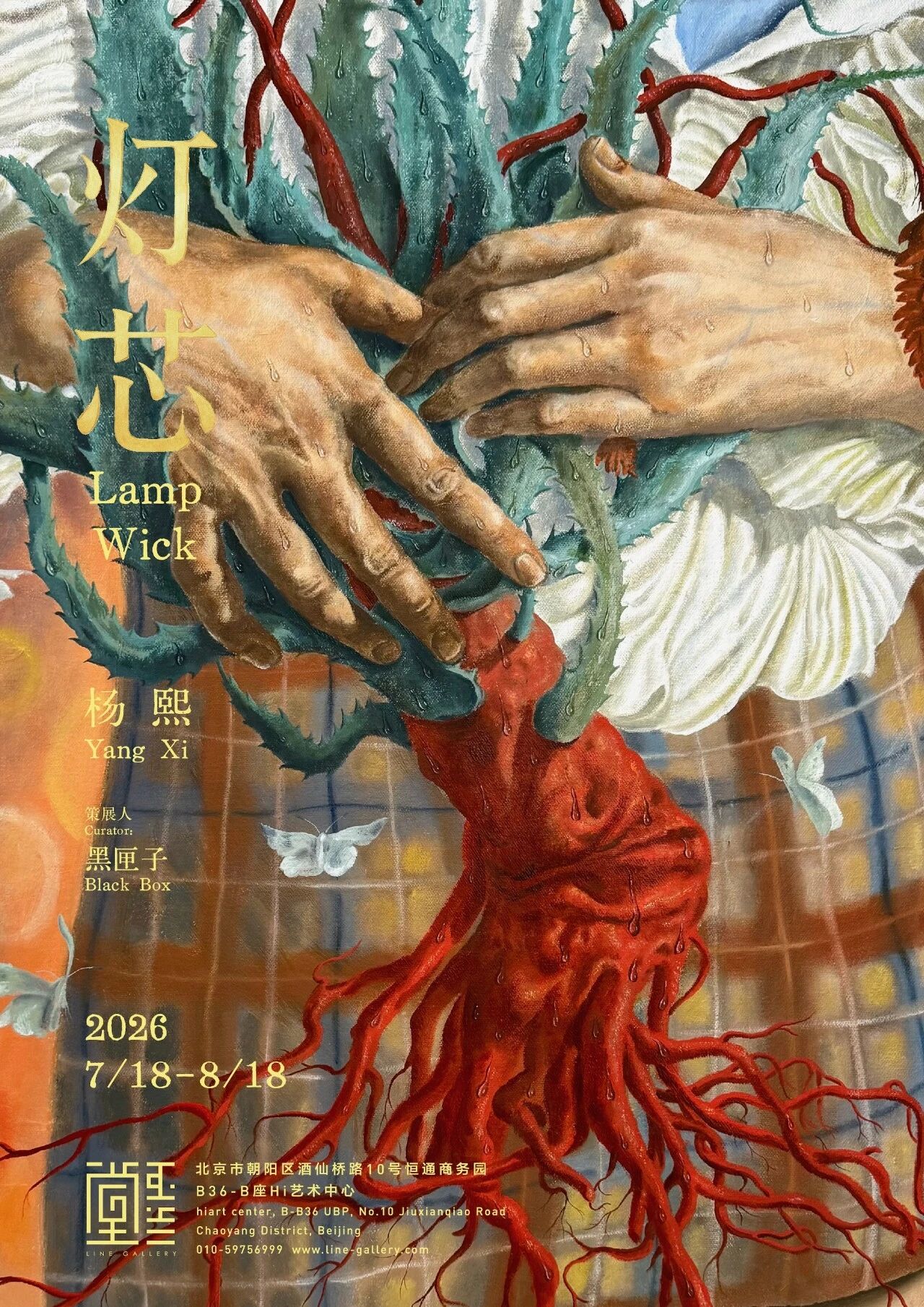
被温暖包裹的孤独中
大三放暑假回家后,家人劝说我是不是应该找点什么事做,希望我可以打发无所事事的假期时间。心里虽然不快,但只有答应下来。于是我爸联系在博物馆上班的一位朋友,让我可以去馆里帮帮忙做点简单的工作。对方也愿意问一下馆长,如果可以就安排一些事给我做。
博物馆建在远离的市区的郊外,需坐博物馆的通勤大巴才能到达。那是一片还未完全开发的戈壁滩,夏日炎热阳光的炙烤下广阔荒芜的沙面上闪着刺眼的光芒,只有远处可以看到几户农家的低矮的院墙和一排象征有人生活的白杨树。博物馆是一座刚建成不久的宏大新式文化建筑,来博物馆游览的游客几近于无。在这宽广的隔壁荒滩之中居然有如此巨大奇特的建筑孤零零的矗立,我感到一阵愕然。在我眼里这座建筑看起来就像一个沉睡在旷野里不合时宜的孤独巨兽,被丢弃在孤零零的世界边缘。
艺术家杨熙
馆长是一个不苟言笑戴眼镜的小个子中年人,在他眼里我看起来只是一个无所事事,想在这混一个实习报告的年轻人。博物馆平时的工作也很简单,不需要太多的人手,馆长挠着脑袋也不知道我可以在这里做些什么,随即问我是学什么专业的,我告诉他是学画画的。思考片刻随即安排一位年轻的导览,让她带我去五号墓里临摹壁画,他告诉我这座古墓里面有非常不的了的壁画,70 年代挖掘时请来了中央美院的专家,专家评定后给出了非常高的评价,让我好好临摹、珍惜机会。
我和导览两人坐上一台馆里的面包车在戈壁滩上行驶了大概 15 分钟后看到空旷的戈壁滩上有一个不起眼的小小平房,锈红铁门上的锁因为长期没有使用,打开时颇费了一些功夫。打开门后一条长长向下延伸幽暗的墓道出现在眼前,导览递给我一个连着电线的手持老式矿灯,拉下电闸,灯随即亮起,一边事务性的讲解墓的历史和发掘情况,一边把灯递给我示意我独自进去。灯光下墓道的尽头有一口矮小可怜的墓门,我缩身爬了进去。那里面寒冷漆黑潮湿,散发着让人不适的气味。我找了半天不知道手上如同火把的灯该放到哪里,总算在导览的指挥下才看到墙壁上有一颗可以挂灯的钉子,挂好了灯才看到这个墓的全貌。墓分前后两个半圆形墓室,连接两个墓室的也是一口低矮洞。墙上画着魏晋时期风格的壁画,画面虽然看起来简单,但是线条富有张力,颜色只保留了黑色的线条和赭石的红色。我不知道该画些什么,身体被突如其来的恐惧占据,不受我的控制。我尝试架好画架,尽量不去凝视后墓室那黑漆漆的洞口。导览在上面对我说了些什么,我听不清楚,声音在空荡的走廊里逐渐失真。
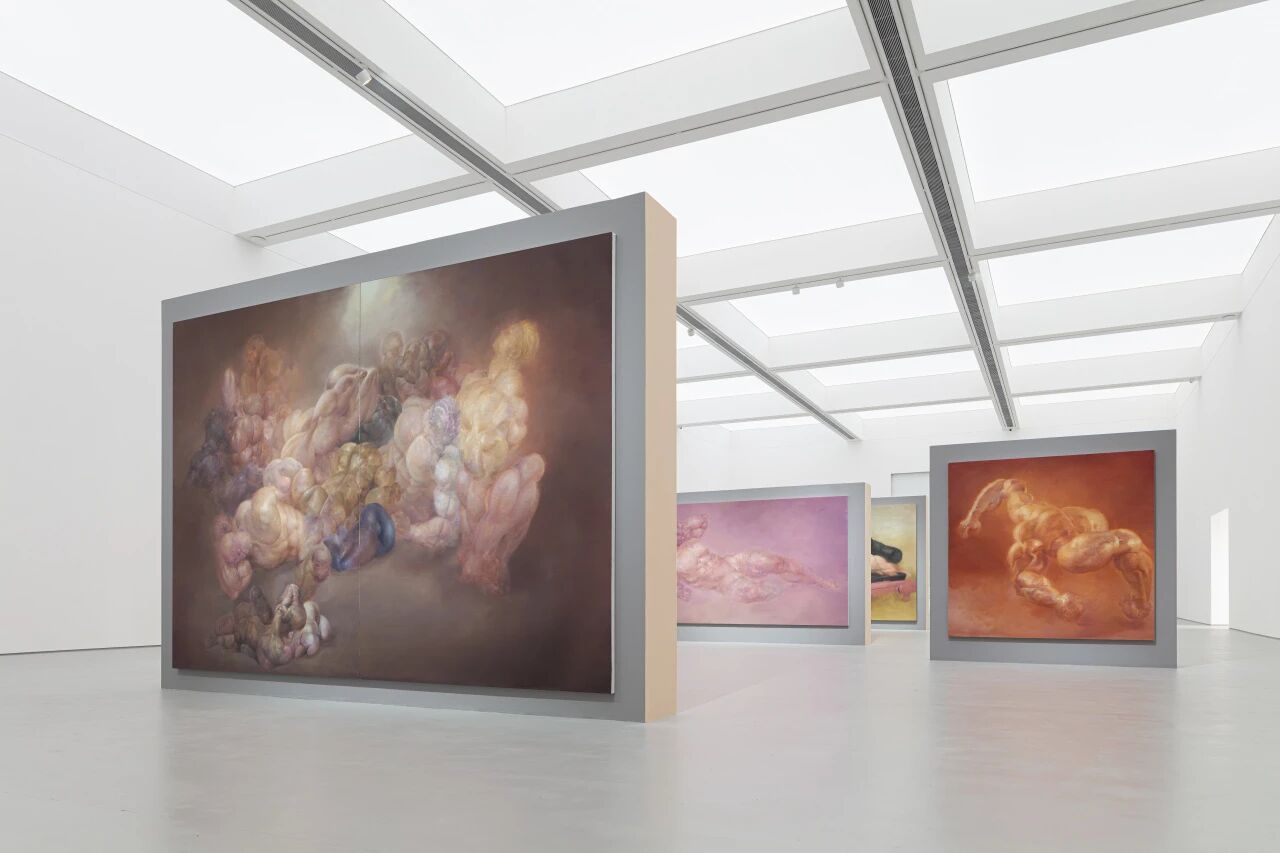
杨熙“灯芯”展览现场,玉兰堂北京,2026
导览留下钥匙开车走后留我一个人被深沉的孤独黏糊糊的包围着,滞重的沉默降临,周围不闻一点声响,仿佛我在这个世界上的存在被抹去。而时间在这个地方流失的出奇的慢,身体逐渐失去现实的感觉,一阵剧烈的寒战后我想我要出去!随即缓慢的抬起身体爬出洞口走出长长的墓道。再一次走进阳光中,暖洋洋阳光下我的身体逐渐温暖有了切实的感受,而这空旷的荒野景色又让我陷入另一种绝望的境地,远处可以看到博物馆那怪异的建筑卧在荒凉的地面上。我想还是只能鼓起勇气返回幽暗的地下。
我不知道这个工作要持续多久,没人告诉我具体的时间。只是每天从早上 9 点一直待到下午 5 点,除去中午休息多半时间一个人呆在墓里,感觉寒冷就出来晒太阳,到下班时间后导览开着面包车来接我,上班时又把我送过来。我开始逐渐适应了一个人呆在墓里的感觉,在这个狭小的空间里我得以体会到另外一层隐藏在黑暗里面有一种亲切的善意,仿佛这个空间已经接纳我,我也在希求这一空间可以更多的包裹我这一存在。我在这里可以独自思考,平时习以为常的感受开始变的真切,如同梦里那超越现实的感受。眼前种种画面也慢慢的在眼前浮现,过年的烟花、王爷爷家的羊肉饺子、省艺校的传教士、女孩柔软的身体。
十天还是十二天后我不确定了,馆长突然告诉我不用再去里面了,让我在一间办公室把临摹的壁画选一些有代表性的画出来,如果效果好想出一套博物馆周边。我没有心思画画,工作自然做的一塌糊涂,只有一些零零散散破碎简单的画面而已,不具有可以拿得出手的东西,馆长也不满意,只是意味深长的沉默,仿佛又一次印证了他对年轻人的认识。离开博物馆时当然我没有工资,只有一份手写的实习证明。我不想要什么实习证明,工资也无所谓,只是还想呆在里面,哪怕再待一天,我想再次体会那些真切的感受,想知道沉重黑暗下那温暖流动的到底是什么?作为现实的存在把自身再次至身与完全的狭小孤独之中。从那以后我觉得走出来的是另一个自己,而那个自己一直留在那个被厚重温暖包裹的孤独之中。
黑匣子:为什么你会说:绘画是你重要的一个“出口”。为什么用“出口”来描述?对你而言,什么是需要“出”的?而在这个过程中,绘画在更深之处扮演了什么?
杨熙:目前绘画对我来说是一个关于寻找外部世界和自身意义的通道,就像大多数人一样只是会以不同的方式寻找。只是我们有太多语言无法表述出来的感觉了,绘画只是一个我选择的途径。20 多岁的时候总是向外寻找,那时自己呈现的画面在现在看来是搞不明白的,或者说是不是自己的真实理解。很多画面的内容只是虚无的概念和某种停留在形式上自以为是的“高级艺术时髦”,而这些概念对当时的自己来说太空洞了,脱离了自己真正想要表达的东西,只是被所谓艺术裹挟着,当然现在也是。
随着在生活中一些事件的发生、年纪的增长、无法逃离的现实、这些因素不可避免的将自己这一存在变得更加复杂。在这个时候开始转向内部,我想让自己和自己的作品“蠢”一点,简单一点,从个人意义上来说毕竟是自己可以触摸到的。前几年我太容易将痛苦放大,或者说在某种意义上我开始享受表达痛苦,直到开始麻木变成机械的重复,成为一场关于痛苦的表演。只是自己的问题,我不想再这样继续了,突然认为那种状态是在自我损毁,我需要从那种状态下出来,保留一点点温度。
所以“出”在我创作中是对现实、对自己拧巴抵抗后遗留的产物。太进入其中我认为会陷入另一种陷阱。比如将绘画变成享受绘画,将自我的苦难变成表演,将现实夸大的成功认为是唯一价值的体现。外部世界已经像蚂蚁的巢穴一样通过各种途径进入身体,每天都运送着各种各样捡来的信息。这样的沉迷已经让自己不自知的进入,越陷越深,但是该如何选择一个方式我不知道,现在能做的只是寻找。
杨熙 墙 2026 布面油画 60×50cm
黑匣子:谈到这次展览,关于“灯芯”,为什么在自述中,你会自然的回忆起大学时期在博物馆工作的墓室经历?为什么会有如此跨时间的联系?是否存在着一些在你生命中更内核的线索将彼此联系在一起?
杨熙:在那样的场所第一次真正的和外部世界隔绝,对我现在作品所形成的内核我认为有重要的影响,现在的作品在试图表现孤独中被保护的包裹感,一种亲切甚至感动的状态。我认为那个在地下的洞应该是一个通往自己内心与世界和解的出口。
直到今天我对孤独的对抗已经变成对时间碎片的填充,在人际关系上害怕孤独但彼此疏离,自我变得越来越孤独,越来越坐立不安。而真正的独处已经在当下的关系中已经不容易做到了。功绩社会下他们有太多的办法来让我们远离孤独了,但是又像病毒一样带来了大面积的抑郁、脑梗。我会不自觉的回忆起那时的感受,同时面对一望无际的旷野和一个狭小的黑暗空间,让自己有思考的能力。
更深的感觉可能不想变成一个地下室人,因为找不到意义而恐惧憎恨一切。“从开始的恐惧到逐渐适应了一个人呆在墓里的感觉,在这个狭小的空间里我得以体会到另外一层隐藏在黑暗里面有一种亲切的善意,仿佛这个空间已经接纳我,我也在希求这一空间可以更多的包裹我这一存在。我在这里可以独自思考,平时习以为常的感受开始变的真切,如同梦里那超越现实的感受。也想知道沉重黑暗下那温暖流动的到底是什么”
杨熙 逐渐延伸的绿色河床 2026 木板油性坦培拉 100×60cm
黑匣子:身体局部的放大,比如手与脚,其相对面是将脸部进行缩小,这种反差度,除了因为你认为肢体细节是更不易隐藏的内心表达外,是否还有别的因素,使你将脸部推向一个更微小的距离?
杨熙:还有一个方面我认为很多的困扰都来自于人际关系。我们都在彼此的生命里成了一个局外人,可能并不会真正的和他人同情,人与人之间的距离形成了彼此审判的体系。而敏感和自尊又会让人内心纠结。我觉得这种距离感会使观看到的脸和表情变成一个抽象的概念,把脸放在尽量靠后的位置,加大这种距离感。
杨熙 小黑和他的伙伴 2026 木板油性坦培拉 90×60cm
黑匣子:在你的画作中,为什么会同时出现:儿童感和沧桑感的两种状态。
杨熙:可能小时候生活在西北的原因,面对的自然环境都是残酷、广阔的,人在那种环境下是很渺小的,也是很坚韧的。小时候的那段广阔空间的记忆很深刻所以一直保留着。
儿童感是教小朋友画画的原因,和他们在一起我感觉到天真的简单快乐,孩子们身上有很多东西打动着我,我也会放下一些老师权利、放下身份,尽量在一个位置上感受他们的快乐。回忆自己儿童时期的点滴,成人世界里焦虑、复杂的困扰。也有将这两种感觉并列起来的想法,是一种反差也是生命中无法逃避的阶段,也是目前状态的映射。
杨熙 不期而至的微光 2026 木板丙烯 130×90cm
黑匣子:在最新的这批作品中,常出现一些跟“光”有关的内容,比如:灯芯、蜡烛、萤火虫、光点、烟花、向日葵、星光等等。为什么这些“意象”是被频繁出现的元素与主题?
杨熙:这些光可能是某种出口的暗示吧,因为这些光点都是微弱的存在,如同很多的情感和纽带是被细微的感情联系的。在我的生命体验中我觉得这些微弱浅淡的光是象征美好的事物,小时候过年的烟花、生日时蛋糕上的小蜡烛、向日葵的眼泪,这些都是生命中闪闪发光的时刻,虽然短暂微小但是有巨大的力量。
巨大耀眼的光我觉得会陷入宗教化的仪式感,比如太阳,长久的经验和功能性的确定了太阳一直以来被崇拜的位置,是最高的位置。我想会用向日葵或者戴着花的头来象征太阳并拉低原本属于太阳的位置,让他和微弱的光处在一个平面,不被那么神化而是更贴近、平等的和众多生命中不起眼的光共同构成一个个可以被选择的出口。
杨熙 如同波浪起伏的地平线 2026 木板油性坦培拉 120×90cm
黑匣子:你常提到的“外部的包裹感”到底是什么?对你而言,这种感性上的表述,是什么在包裹着你,以及被包裹的到底是什么?
杨熙:包裹感就像小时候躲进被窝里面那种温暖的安全感、在空旷的现实中被沸腾的人流沉甸甸的压着喘不上气、天空中巨大的黑云、当彼此蜷缩在寂静的沉默里,空气中那种滞重的沉寂。
我想包裹我的就是类似这些带给我的感觉,是现实的外部世界的客观现实。我在内部尽力只是感受着外部世界我能感受到的一切,只是用熟悉的语言表现,对我来说这些包裹围绕在身边的一切会让我有对生命和现实有切实的感受,不至于把自己困住。
杨熙 蜡烛的火焰包裹着灯芯 2026 布面油画 60×50cm
黑匣子:谈谈你对生命的理解。你认为自己正在经历一种怎样的状态?还有你生命中的问题意识是什么?这些问题与你的创作之间有关系吗?
杨熙:这个问题好大…作品肯定是关于生命状态的思考,我需要这样途径来寻找。目前这个生命阶段挺痛苦的,尤其是疫情那几年,很多身边的人都不同程度的承受了自我损毁。我这边还好,画画和音乐在一定程度上有所缓解,成为一个出口。我们这个年纪在功绩社会里面面对父母的压力、感情生活、职场竞争,我们完全生活中复杂的人际关系之中,太多的时间被压缩没有时间去思考自己的意义。很多朋友选择逃离到大理这一类的地方过瓦尔登湖般田园牧歌般的生活。但是很多人还是会回来,好像都没有办法真正的逃离。就像门罗的小说里被丈夫不停冷暴力的妻子一直想逃离,当好不容易坐上车开始逃离的时候,还是无法面对没有丈夫的生活只能回来。
我在想一个老生常谈的话题,生命是宝贵的,到底人有没有选择自杀的权利。繁衍作为人延续种族最重要的事情,把人的欲望放的如此大,我们活下去、认识世界、寻找神、掌握前人传递知识,思考自己的存在、彼此相爱又彼此憎恨,这些都是为了延续,按照这样的逻辑人是没有自杀的权利。但是人本身又太复杂了,这些为了繁衍而产生的各种欲望和情感把每一个个体都变成独一无二的存在。当个体和世界格格不入的时候很多人就会选择放弃自己的生命,到底是世界的原因还是个人的原因,还是相互作用下的产物?我们每天像西西弗斯一样推着石头日复一日的重复,直到消耗完自己的生命。在这个搬的过程之中我们是否可以找到属于自我和世界和解的一部分,或者蔑视这一惩罚的一条途径。
艺术家杨熙与他的音乐
黑匣子:谈谈音乐,因为你同时也是一位贝斯手,并在乐队中占有着重要的位置。你认为这两种艺术形式和媒介,在你的表达中占有怎样的位置?它们彼此之间是否有着相互的关联与影响?在绘画中的思考,有哪些来自于你在音乐中得到的灵感?
杨熙:我的感受是这是两种不同的表达。音乐是线性的,需要相互聆听配合的,不单单是指多人的配合,自己做音乐也是一样,在一段时间线里寻找一个动机一起并列向前推进,绘画是平面上的,是填充性的。我觉得音乐性是让出来的,不是填充的,音与音之间的那个空隙在我看来是高于音本身的,当不同的音叠加的赋予色彩时也是有前后的。
在绘画中我也在尝试把音乐中的感受可以带入,我希望不单单是康定斯基式的表达那样我觉得那只是情绪的起伏,是个人聆听音乐的产物。我想把音乐中让出来的那一部分的位置给予观众共同把一个作品完成,但这个很难。
把音乐的感受带入绘画之中,具体带进去的是什么,我表述不好,可能图像本身太完整具体很容易关注图像本身,而音乐的抽象性是过于主观的。我想影响我的是主观的那一部分,在绘画中的那一部分表达也会在音乐中出现,这两部分共同组成我作品现在的样子。
艺术家杨熙工作的地方
黑匣子:最后,你期望自己的绘画走向怎样的方向?
杨熙:希望将内在的感受和画面更贴近一点吧,不会掉进自我或者现实设立的陷阱,如果掉进去了我希望我是自知的。
©文章版权归属原创作者,如有侵权请后台联系