
张海君早年就读于鲁迅美术学院油画系,在第一工作室的熏陶下,他在艺术萌芽的时期里,便熟读各种西方现实主义、具象艺术和新古典主义相关的绘画历史研究。学院派的绘画风格虽在他的作品中留下了深刻的印迹,但这也是他在近期的创作中逐渐想要挣脱的。张海君如今的风格保有一股不确定性,抽象画面中仍有诸多形象的痕迹,但若当真以“具象”来描述他的绘画作品,又略显牵强。同样的,以复杂难懂的抽象画一语概之,亦不尽然。在艺术家眼中,相比学院派对描绘形象的执着,或归类于某种绘画风格,他倾向通过绘画这个媒介创造出一股超脱时间、空间秩序的内涵能量。现实世界里的“能量”是无形的,展现不可见的唯一方法是以画笔去追赶,去捕捉那缕体会到的“感觉”,正因如此,他的绘画语言走向了抽象。正如我们因肉体的存在而忧惧死亡,张海君将无形的力量置于可感知的平台之上,呈现于视觉维度之中。
Zhang Haijun spent his formative years in art school brimmed with all forms of realism, figuration and neoclassicism studies. The institutional style certainly influenced his canvas but is also something he now keeps at a distance. While traces of figuration may linger in his images, they vanish as soon as they are considered “figurally”. To Zhang’s eye, more fetching than academic art’s paean on painting techniques is the rendering of one’s revelation visible through the medium. As a painter, he is most interested in the invisible force that seizes the order of time and space in place. The only way to depict the non-visible is by manifesting the sense of it all. Just as we judge death from the view of life, Zhang flushes out the invisible force by painting the visual sensation that conditions its presence.
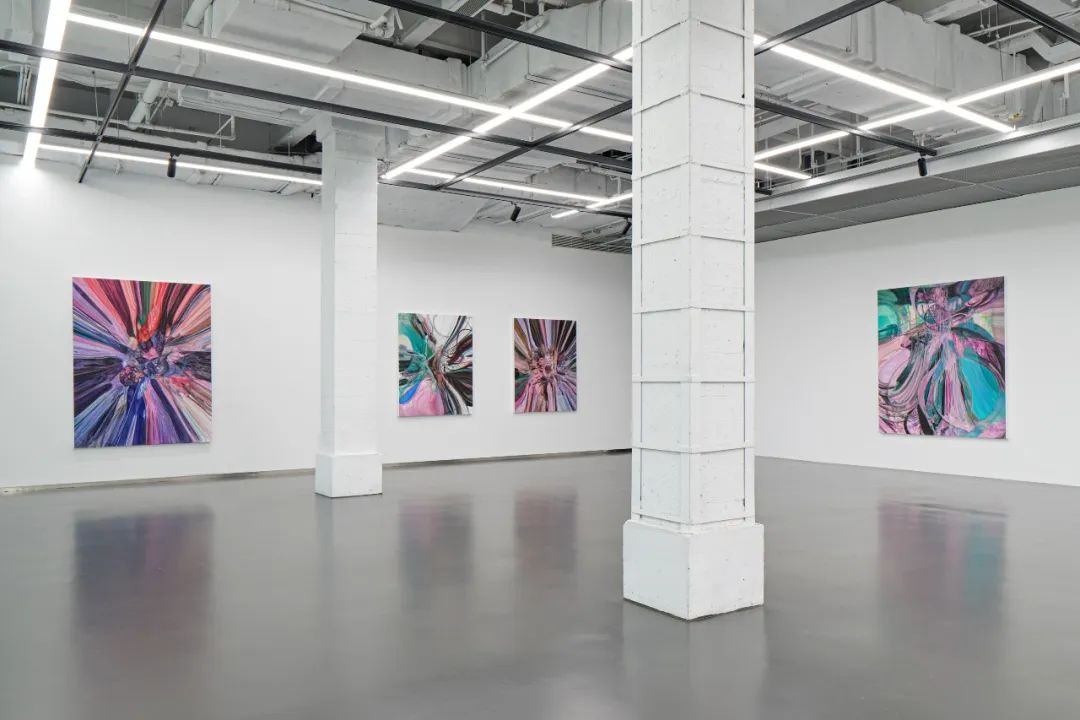
「视线 Sight Lines」展览现场

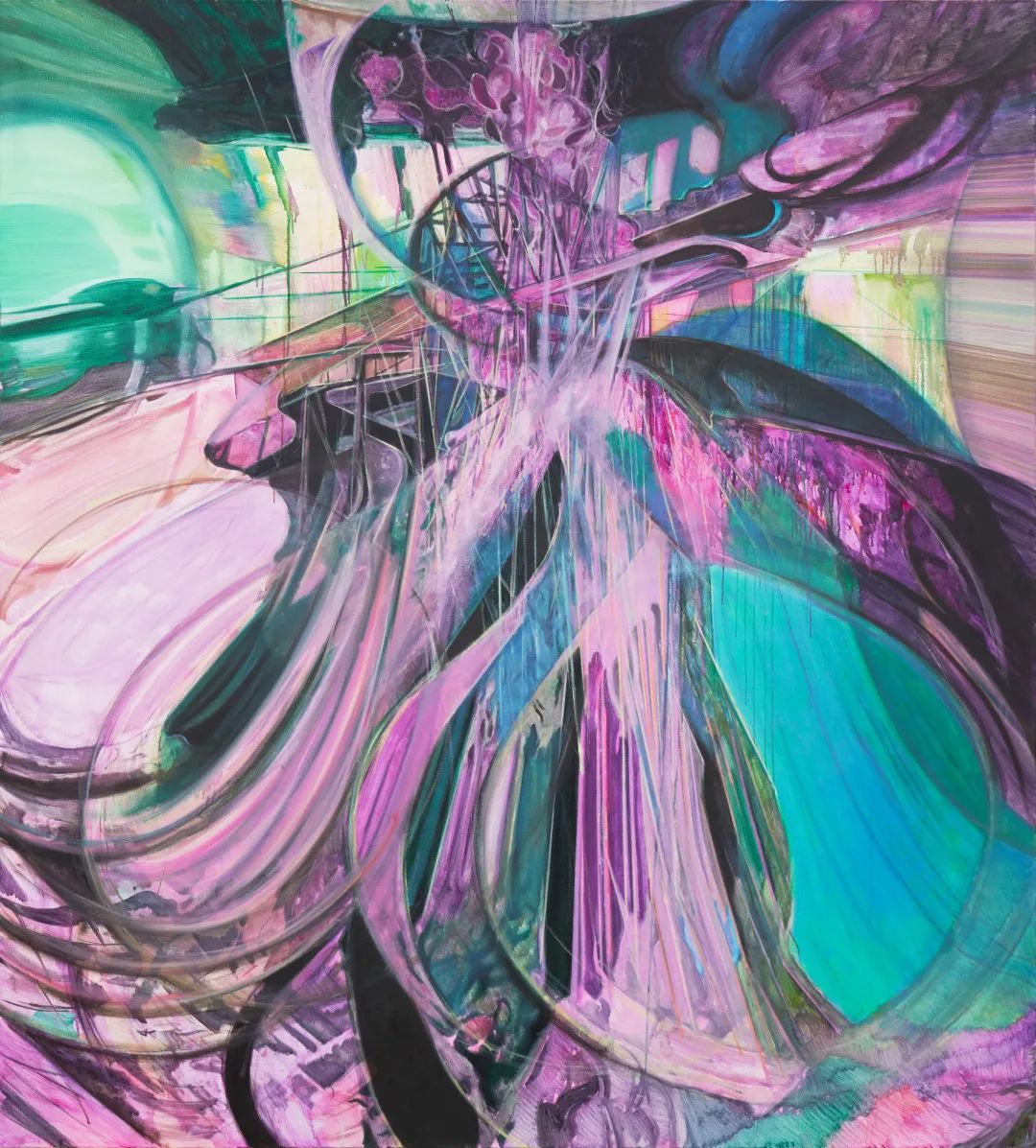
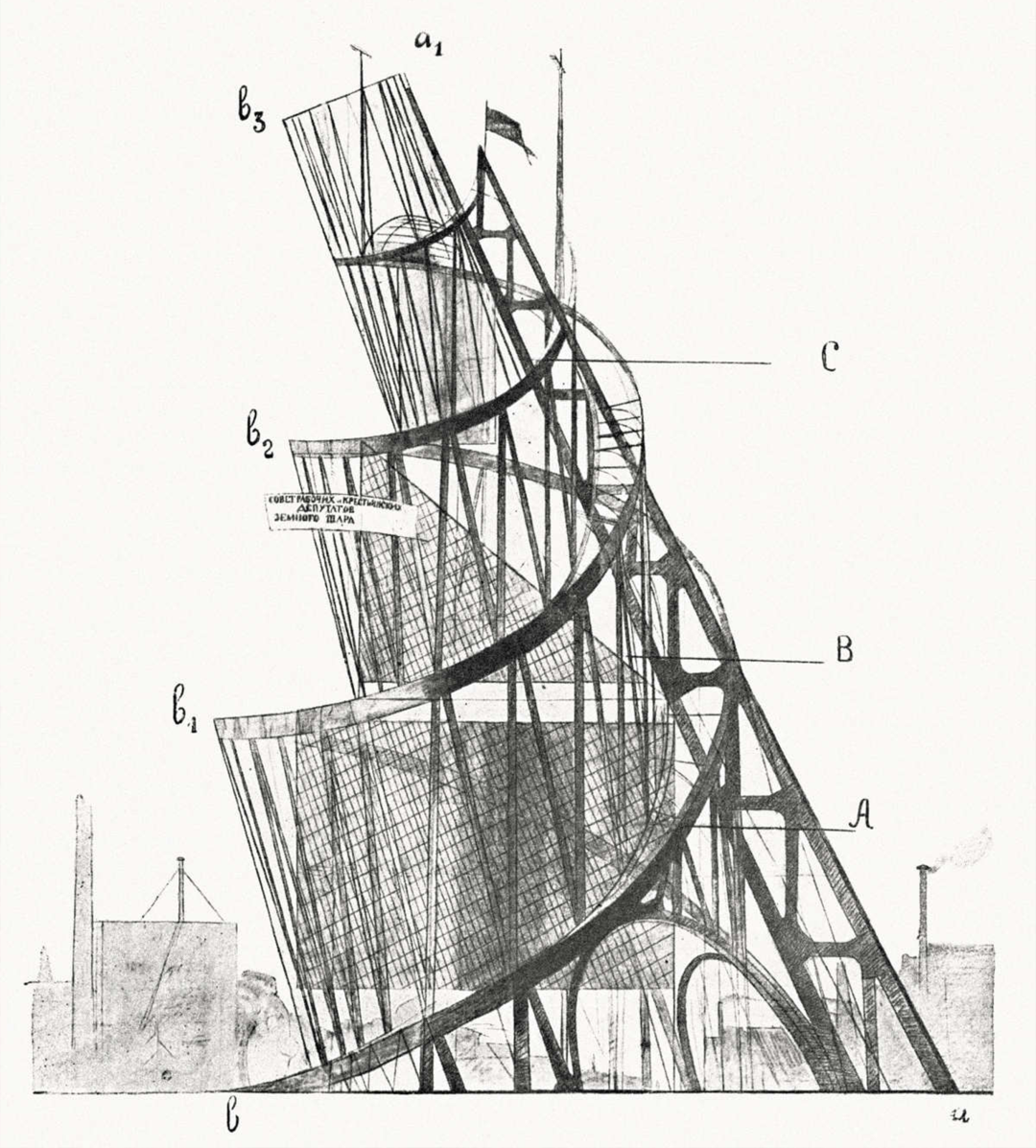
张海君 Zhang Haijun, 塔、教堂还有忧伤 Torr,Temple and Triste, 2021 | 塔特林塔 Tatlinʼs Tower
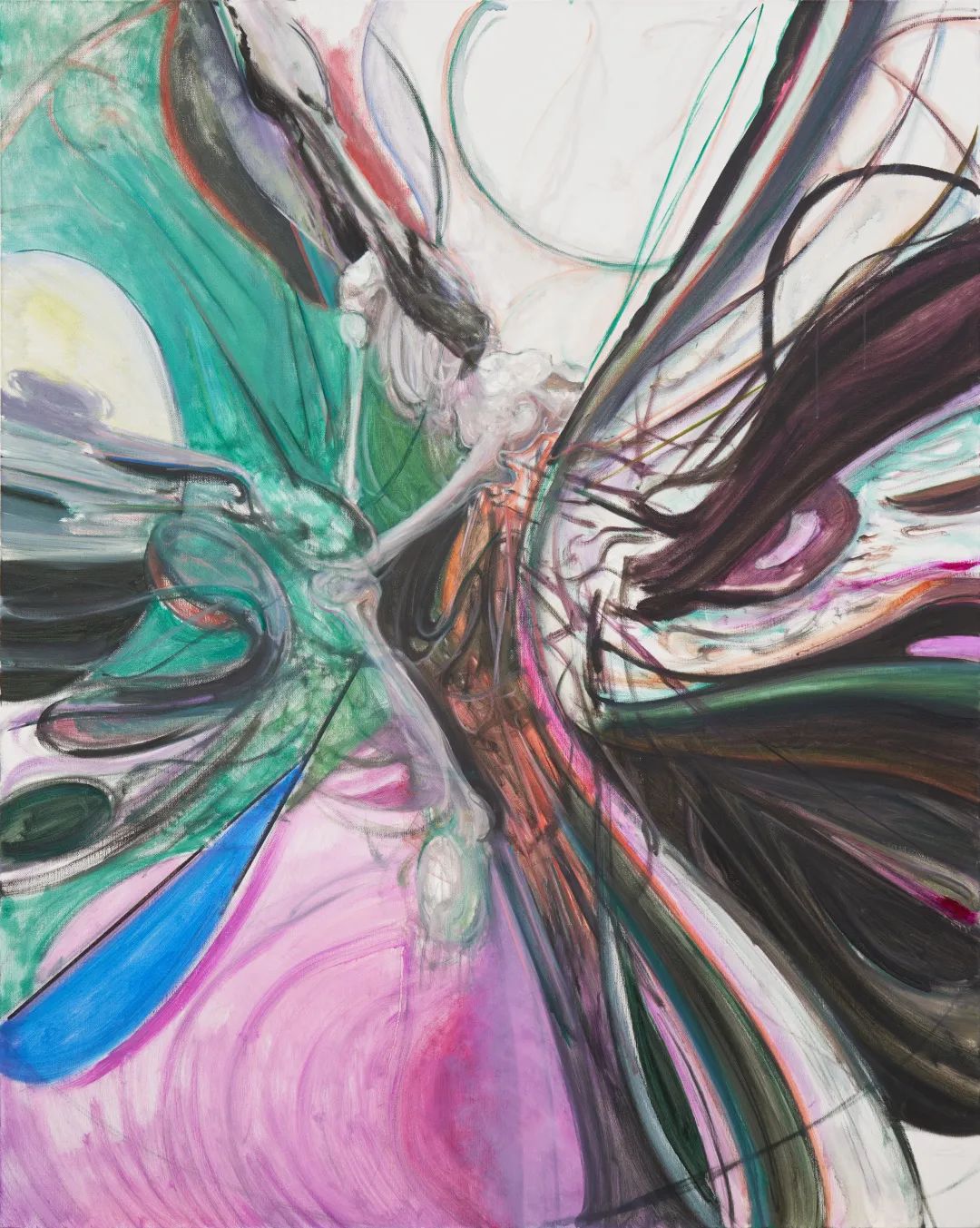
他的抽象作品有着炫目的视觉效果,画面中透出的能量充满张力,不断扭曲,与画面中的形象和空间对峙。充满活力的色彩具有极强的创造性,鲜亮的色调组合廓清空间的深度、勾勒出形象,最终使隐藏于深处的事物浮出。他的绘画是记忆、经验和想象的复合体,同时也见证了他挖掘自我的过程。
His art stands visually bold, sprawling in a network of energy testifying to his wish to disturb, as much as to confront, figuration and field. Colour corresponds as a stimulus energy to render the invisible visible. Its flow contours proximity and membranes form. Through his painterly works, a compound of memory and imagination inspired by moments in his life, Zhang expresses sentiments on finding the essence of painting and the fulcrum of artistic expression and personal experience through his canvas.
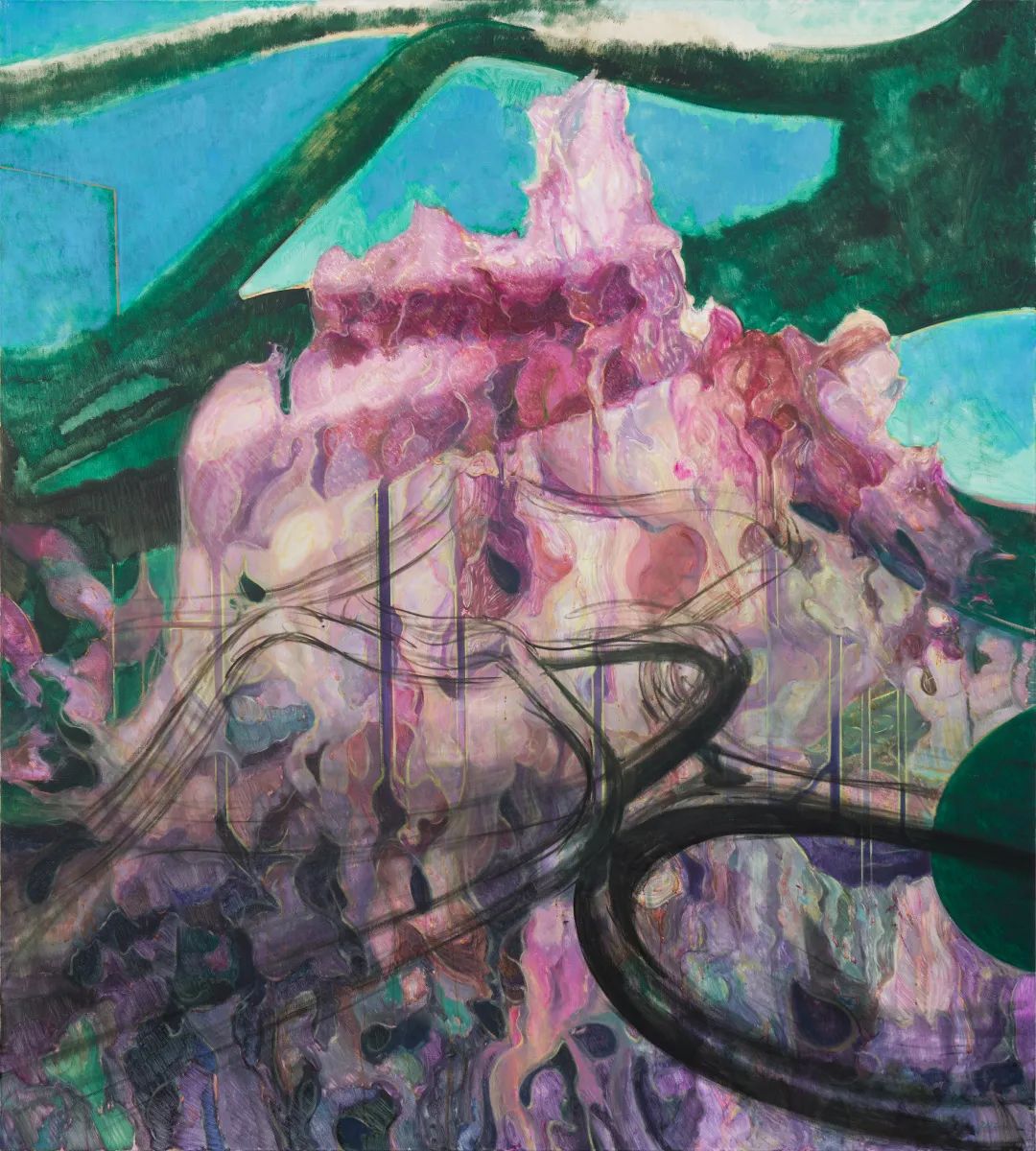
张海君 Zhang Haijun, 爱神叠峦 Lovers' Pyramid, 2020
张海君 Zhang Haijun, 骑自行车的男人 Man on Wheels, 2022
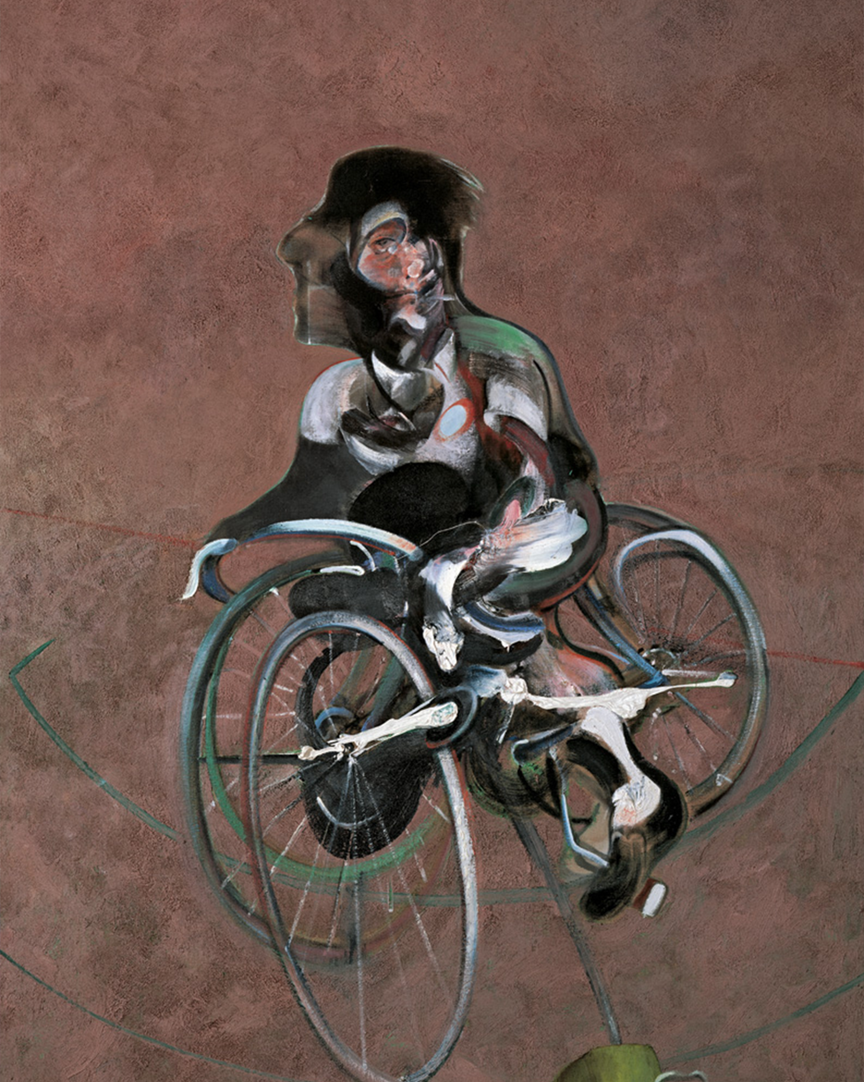
弗朗西斯·培根 Francis Bacon, 乔治·戴尔骑自行车的肖像 Portrait of George Dyer Riding a Bicycle, 1966
张海君葆有着一颗浪漫的心,常常在作品中融入艺术史上中世纪和文艺复兴早期的绘画大师、或20世纪艺术家(如:弗朗西斯·培根和马塞尔·杜尚) 的经典之作,并将其作为与过去的连接。作品「骑自行车的男人」的原型来自张海君给学生们上基础课时的造型摆设,创作灵感来源于爱尔兰画家弗朗西斯·培根(1909-1992) 的作品「骑自行车的乔治·戴尔」(1966) 。而在他的作品中,原本培根所强调的具有垂重感的肉体被替换成了一具毫无生气的骷髅架子,观看画面的感觉仿若酒醉步浮,游荡在失重的时空。再比如仿佛在刻画一场灾难的作品「塔、教堂还有忧伤」,在张海君的笔下,画面充满着毁灭的气息,却摄人心魄。背景中隐约的建筑形象源自苏联艺术家弗拉基米尔·塔特林(1885-1953) 的建筑代表作“第三国际纪念塔”的模型(苏联共产国际的一个未能实现的项目) ,巧妙地呼应了一个国度曾经鼓舞人心的乌托邦梦想。艺术家对绘画史研精致思,站在巨人的肩膀上探寻新的创作形式,以求突破,构建并踏上属于自己的艺术创作道路。
Zhang remains a romantic at heart, often investing historical reference to art from the Middle Ages and Early Renaissance Painting Masters or 20th-century artists, such as Francis Bacon and Marcel Duchamp, into his imageries. In “Man on Wheels”, Zhang was inspired by a display set in class for his academic students and knowingly reinvents the iconic composition of Irish-born painter Francis Bacon’s “Portrait of George Dyer Riding a Bicycle” (1966) by replacing the man with a skeleton figure. In another example, Torr, Temple and Triste, which seems like a catastrophic meltdown, depicts Soviet artist Vladimir Tatlin’s Tower structure (an unconceived project for USSR’s Monument to the Third International) in its background, thus subtly echoing a nation’s once inspiring utopic dream. The artist contemplates the necessity of understanding the history of painting to harvest new forms of presentation.
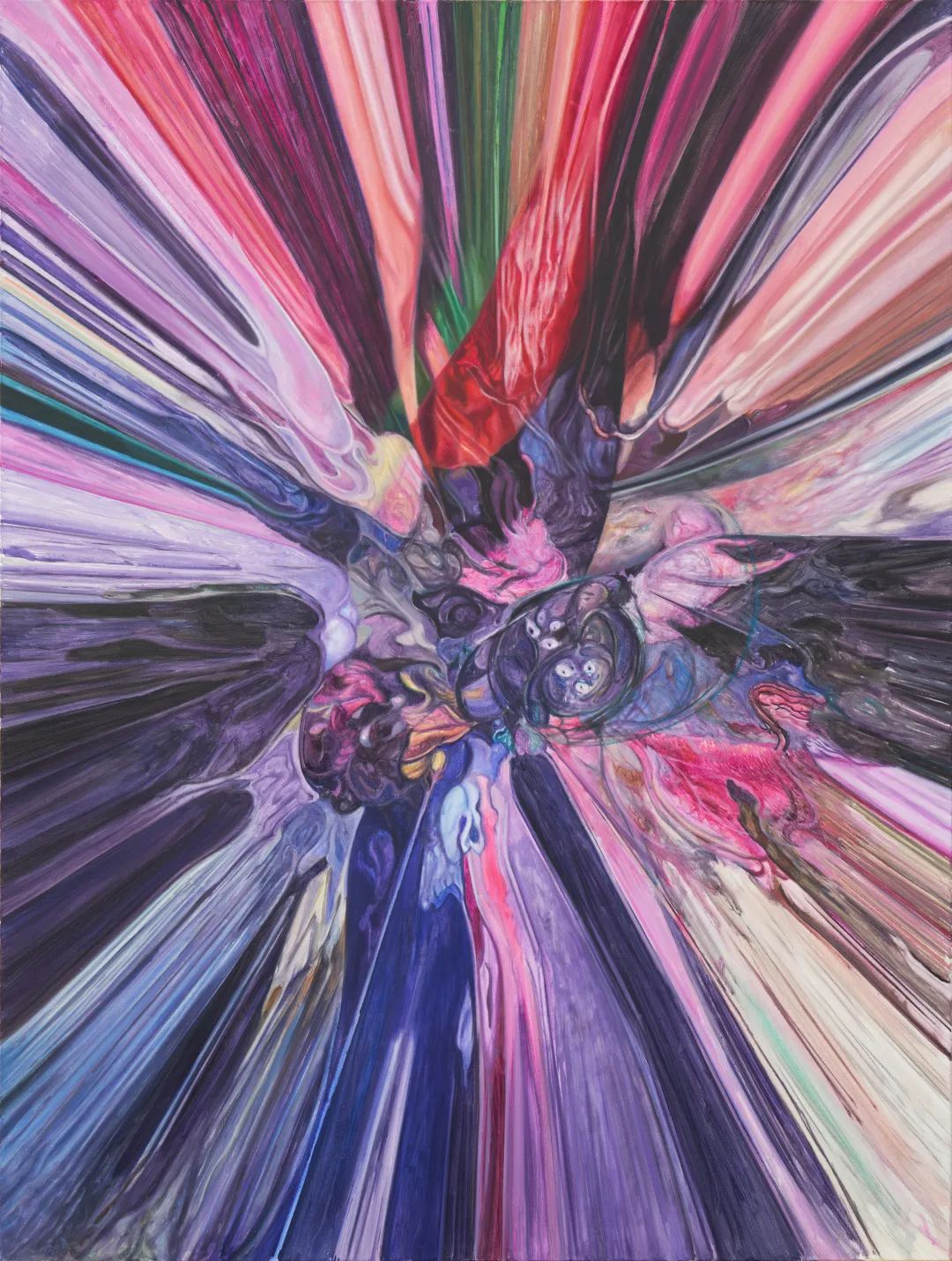
张海君 Zhang Haijun, 众神光芒 Kings of Divine, 2022
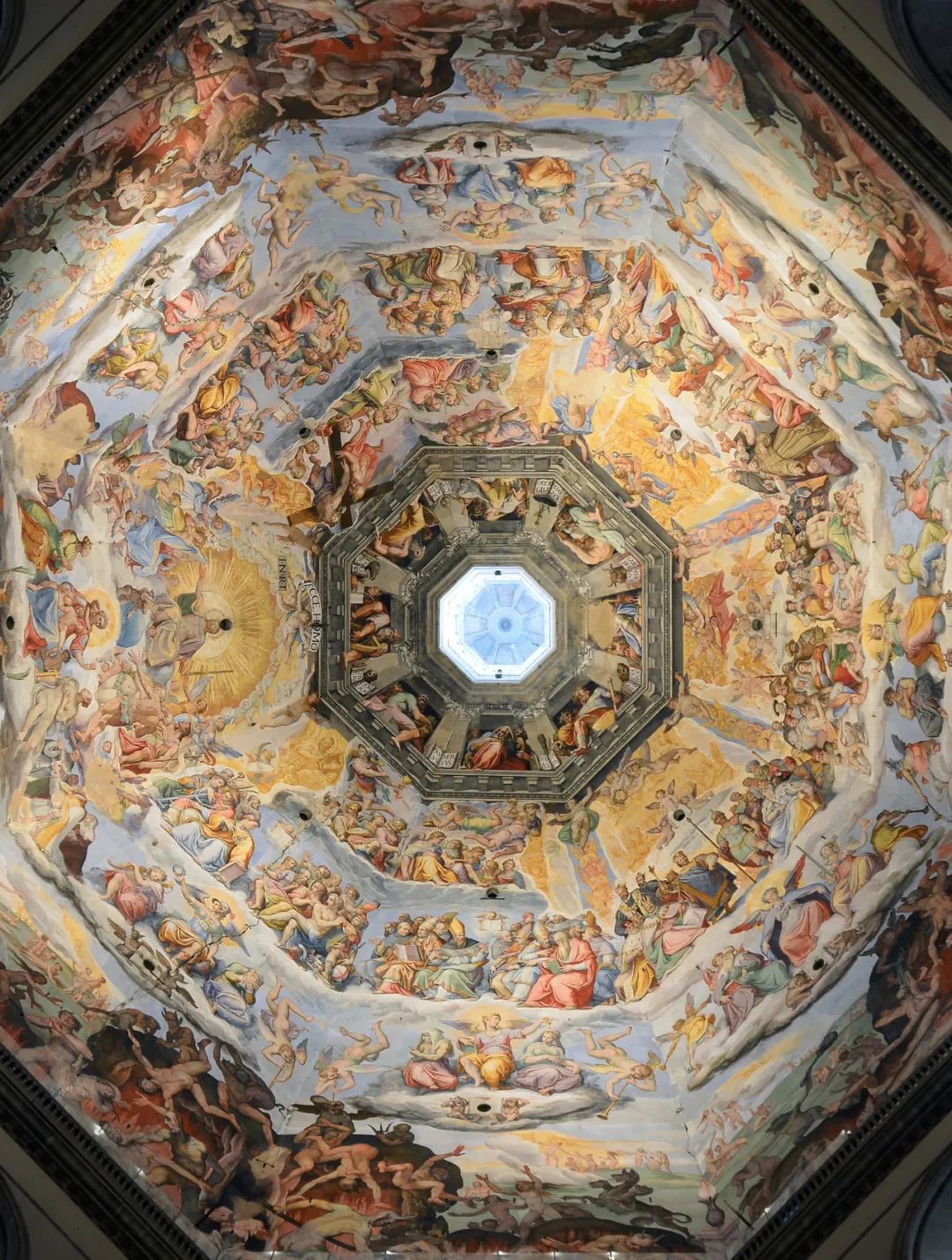
乔尔乔·瓦萨里 & 费德里科·祖卡里 Giorgio Vasari & Federico Zuccari, 最后的审判 The Last Judgement, 1572-1579
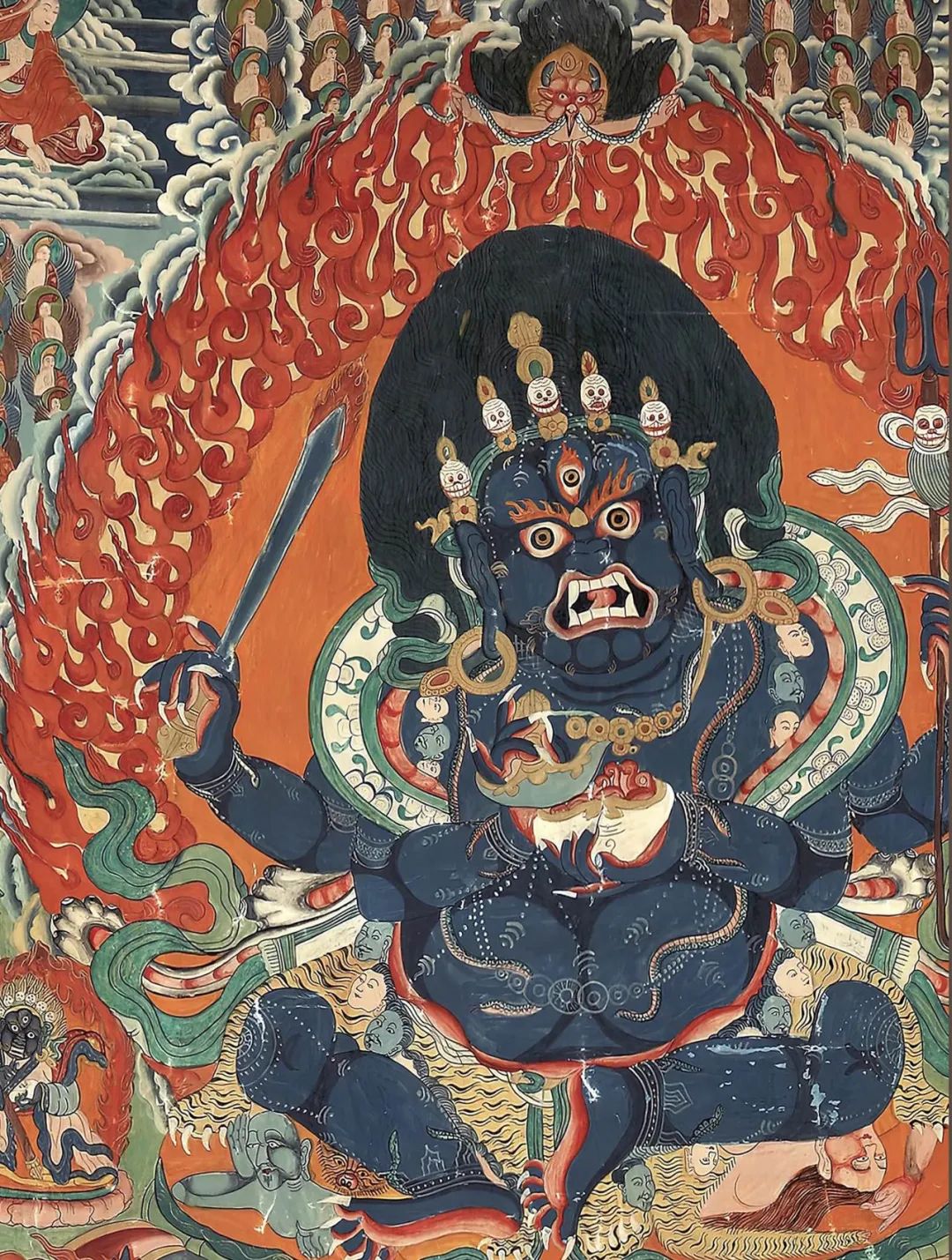
藏传佛教的护法摩诃迦罗——大黑天 Mahakala, the guardian in the Tibetan Buddhist pantheon
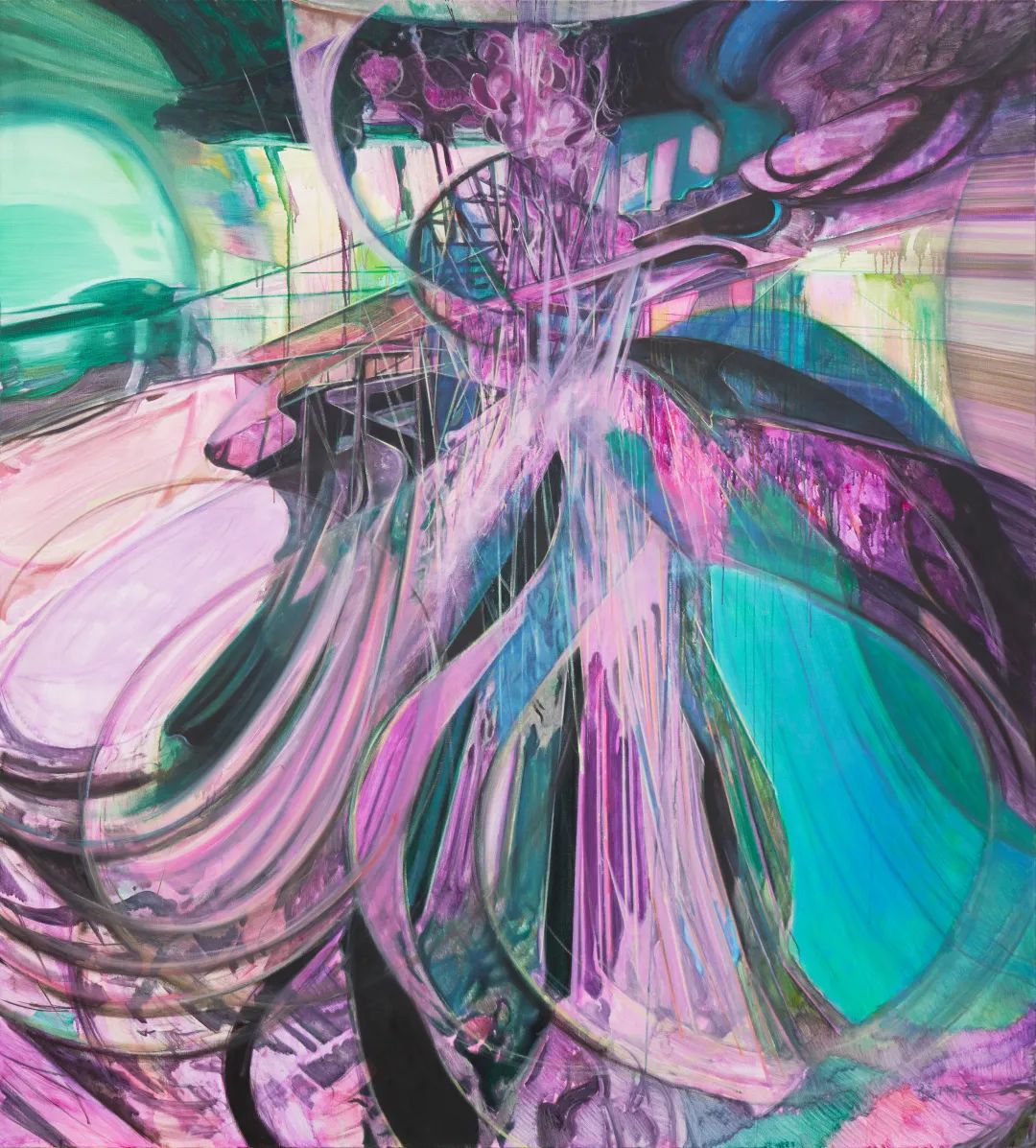
「众神光芒」的画面布局来源于欧洲意大利大教堂的穹顶壁画。传统穹顶壁画遵循透视原理,将人们的视线自下而上引至建筑内部的顶端。不同于大教堂的垂直结构所导致的观看困难,张海君将天顶的透视下调转至与视线平齐,同时保留了前者感官上的强度。与穹顶的庞大整体图像单元中向心化升腾的设计相反,张海君的绘画透视则是由从内向外的神性化的光道组成。画面的核心参考了藏传佛教的护法摩诃迦罗(意译大黑天) 形象,此护法可溶解时间和空间,并存在于宇宙边境的虚无之中。这里蓝紫色调的灵体扭曲而狰狞,无数双威胁性的眼睛隐隐浮现,从作品的中心向外散洒,最终幻化为色彩斑斓的光环。
The painting "Kings of Divine" models after the lantern composition of dome frescoes found in European cathedrals, which usually follows an iconographic tradition that ultimately ascends one's vision to the architecture's interior summit. But unlike the old frescoes, which are extremely difficult to look at because they are so removed from the viewer, Zhang's painting brings the ceiling perspective to eye level while retaining the intensity of the former's celestial experience. And in reverse to how the dome's single pictorial unit equates its centre to a vault toward the divine, Zhang’s painting perspective consists of rays beaming from its inside. In fact, the artist acknowledges that the centre references Mahakala – a guardian in the Tibetan Buddhist pantheon who is capable of dissolving time and space, existing as the Void at the dissolution of the universe. Here, the figure is vaguely portrayed in vivid hues of blues and purples with pairs of menacing eyes, looking manneristically distorted and expressionistically destructive.
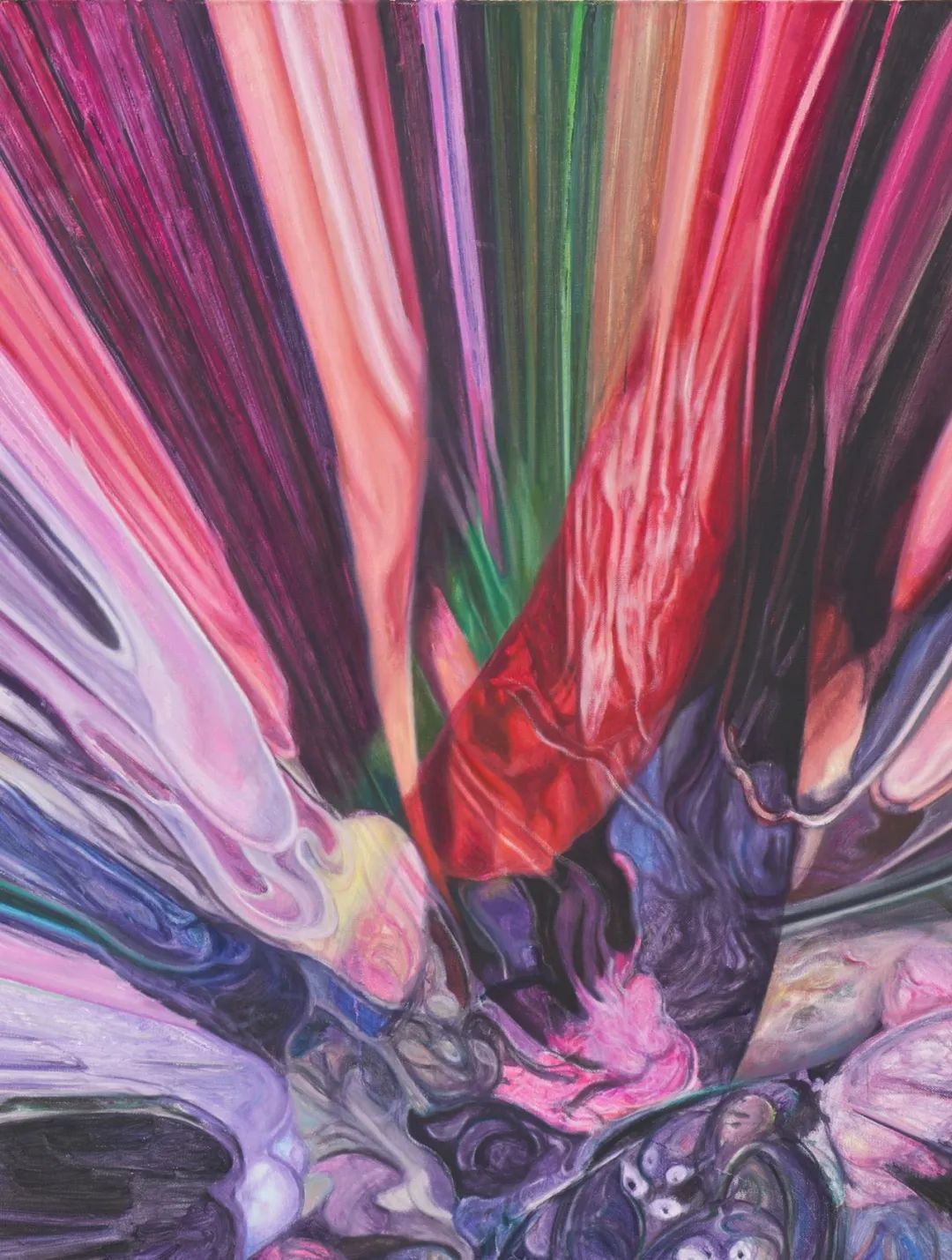
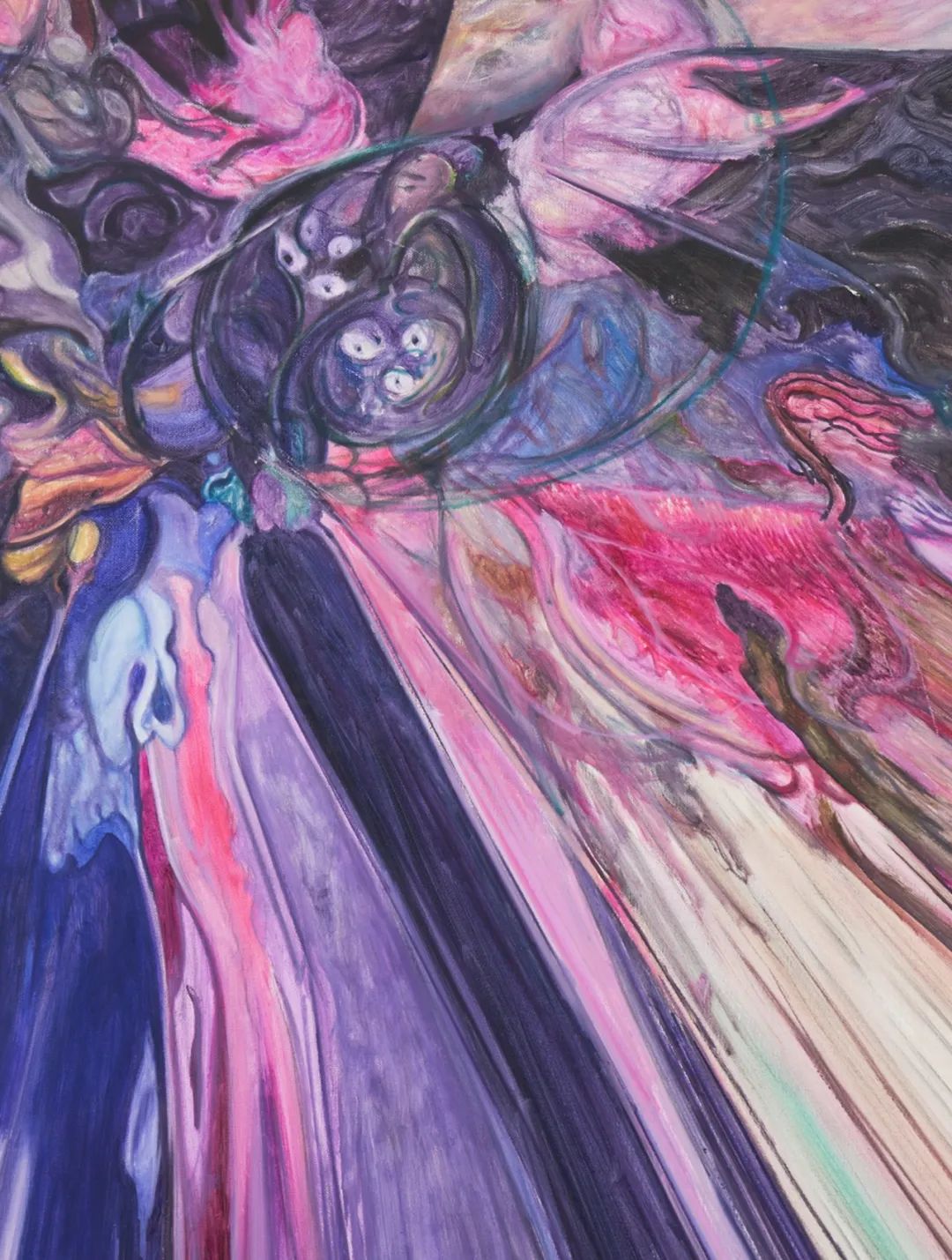
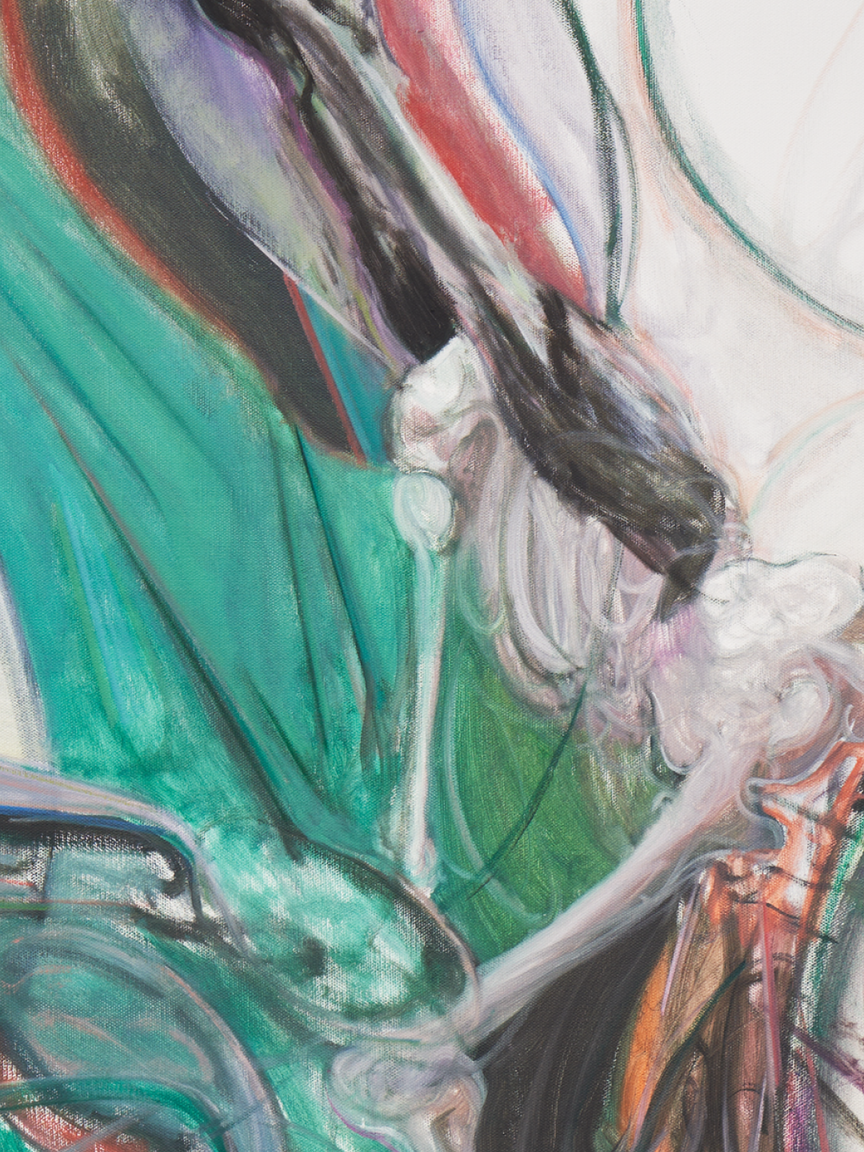
众神光芒 Kings of Divine (细节 detail)
张海君擅长使用色彩代替线条将平面空间的视角作戏剧性的升华。颜色仿佛是光的使者、一种基础元素、乃至大气本身,把我们永照在一场个人的末世体验之中。这幅作品让人不禁联想到神学中的心理学,寓意人性对于意义或更高权力的痴迷与追求,将最终让自我坠入无限的迷惘。
Approaching this painting, our vision feels drawn into an invisible albeit perceptible aura radiating from the picture, depending on the distance. Zhang's mastery of colours pushes a flat canvas's spatial perspective to a dramatically heightened state. Colours are bearers of illumination, something like an element, or an atmosphere as a whole, swarming into us the experience of an eschatological event that is our very own. As if pertaining to the psychology of theology, the painting allegorises the inevitable erosion of self in one's obsessive pursuit for meaning or higher power.
©文章版权归属原创作者,如有侵权请后台联系删除